
Author: Written by the clinical team at Midwest Orthopaedic Consultants, providing orthopaedic surgery, physical therapy, pain management, and on-site diagnostics in Orland Park and Oak Lawn, Illinois.
You spent Saturday raking leaves and hauling bags to the curb. By Monday, your shoulder aches when you reach for the top shelf, and by Wednesday it wakes you up every time you roll onto that side. Lifting a gallon of milk out of the fridge takes two hands. You keep waiting for it to loosen up, and it keeps not happening.
Most rotator cuff tears do not need surgery. According to the American Academy of Orthopaedic Surgeons, nonsurgical treatment relieves pain and improves function in about 80 to 85% of patients. Surgery is usually considered when pain does not improve with nonsurgical care, symptoms have lasted 6 to 12 months, the tear is large, the shoulder is significantly weak, or the tear came from a recent, acute injury. The right rotator cuff tear treatment in Orland Park starts with an accurate diagnosis.
At Midwest Orthopaedic Consultants, our physicians have treated shoulder injuries across Chicago’s south suburbs for more than 25 years.
What Are the Signs of a Rotator Cuff Tear?
The most common signs of a rotator cuff tear are pain at rest and at night, especially when lying on the affected shoulder, pain when lifting and lowering the arm, weakness when lifting or rotating the arm, and a crackling sensation with certain movements.
A strain usually improves steadily with a few days of rest. A tear often does not. If pain keeps you up at night, makes overhead reaching difficult, or leaves your arm weak, it is time for an evaluation. Waiting has a cost: a rotator cuff tear can get larger over time, especially if you keep using a painful shoulder.
Can a Rotator Cuff Tear Heal Without Surgery?
Many rotator cuff tears improve without surgery. Nonsurgical treatment focuses on relieving pain, reducing inflammation, and strengthening the muscles around the shoulder so the joint moves well even with a tear.
Nonsurgical care at Midwest Orthopaedic Consultants may include:
- Physical therapy. Our physical therapy team works directly with your physician to build strength and restore range of motion in the rotator cuff and shoulder blade muscles.
- Activity changes. Avoiding the movements that aggravate the shoulder while it heals.
- Pain management. Medication and, when appropriate, injections through our pain management services.
- SoftWave Therapy. For rotator cuff tendinitis and shoulder impingement, SoftWave Therapy is an FDA-cleared, non-invasive acoustic shockwave treatment available at both our offices.
Your physician will recommend the combination that fits your tear, your symptoms, and your goals.
What Happens During a Shoulder Evaluation?
A shoulder evaluation starts with a physical exam and, when needed, imaging to confirm the type and size of the tear. Your physician tests strength, range of motion, and specific movements that stress different parts of the rotator cuff.
X-rays show bone changes such as spurs and arthritis. An MRI shows soft tissue, including the tendons themselves, so it can confirm whether a tear is partial or full-thickness and how large it is. Midwest Orthopaedic Consultants offers on-site MRI at our Orland Park and Oak Lawn offices, so imaging does not require a separate trip to an outside center. MRI provides a detailed view of joints, soft tissue, and the spine without radiation, and a scan typically takes 30 to 60 minutes.
When Is Surgery the Right Choice for a Rotator Cuff Tear?
Surgery is usually the right choice when nonsurgical treatment does not relieve pain or when the tear itself makes repair the better option. The American Academy of Orthopaedic Surgeons lists these situations:
- Symptoms have lasted 6 to 12 months
- The tear is large (more than 3 cm) and the surrounding tissue is in good condition
- There is significant weakness and loss of function in the shoulder
- The tear was caused by a recent, acute injury
Surgical repair reattaches the torn tendon to the bone. Many repairs are performed arthroscopically, using small incisions and a camera. Our orthopaedic surgeons will explain the options for your specific tear, and rehabilitation continues with our physical therapy team after surgery so your surgeon and therapist stay on the same plan.
Why Choose Midwest Orthopaedic Consultants for Shoulder Care?
- Board-certified orthopaedic surgeons who treat shoulder and elbow conditions every day.
- On-site MRI at both offices, so diagnosis does not wait on an outside appointment.
- Physical therapy and pain management in the same practice, coordinated with your physician.
- Conservative care first. Surgery is recommended when it is the better option for your shoulder.
- More than 25 years of care in Chicago’s south suburbs.
Schedule a Shoulder Evaluation in Orland Park
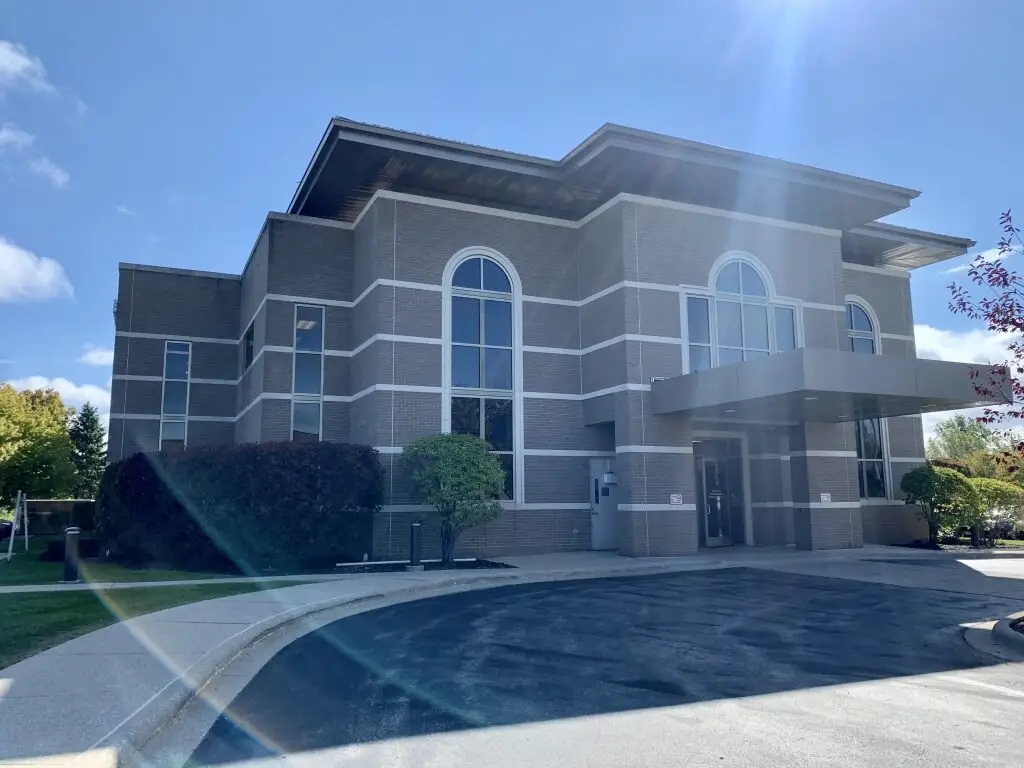
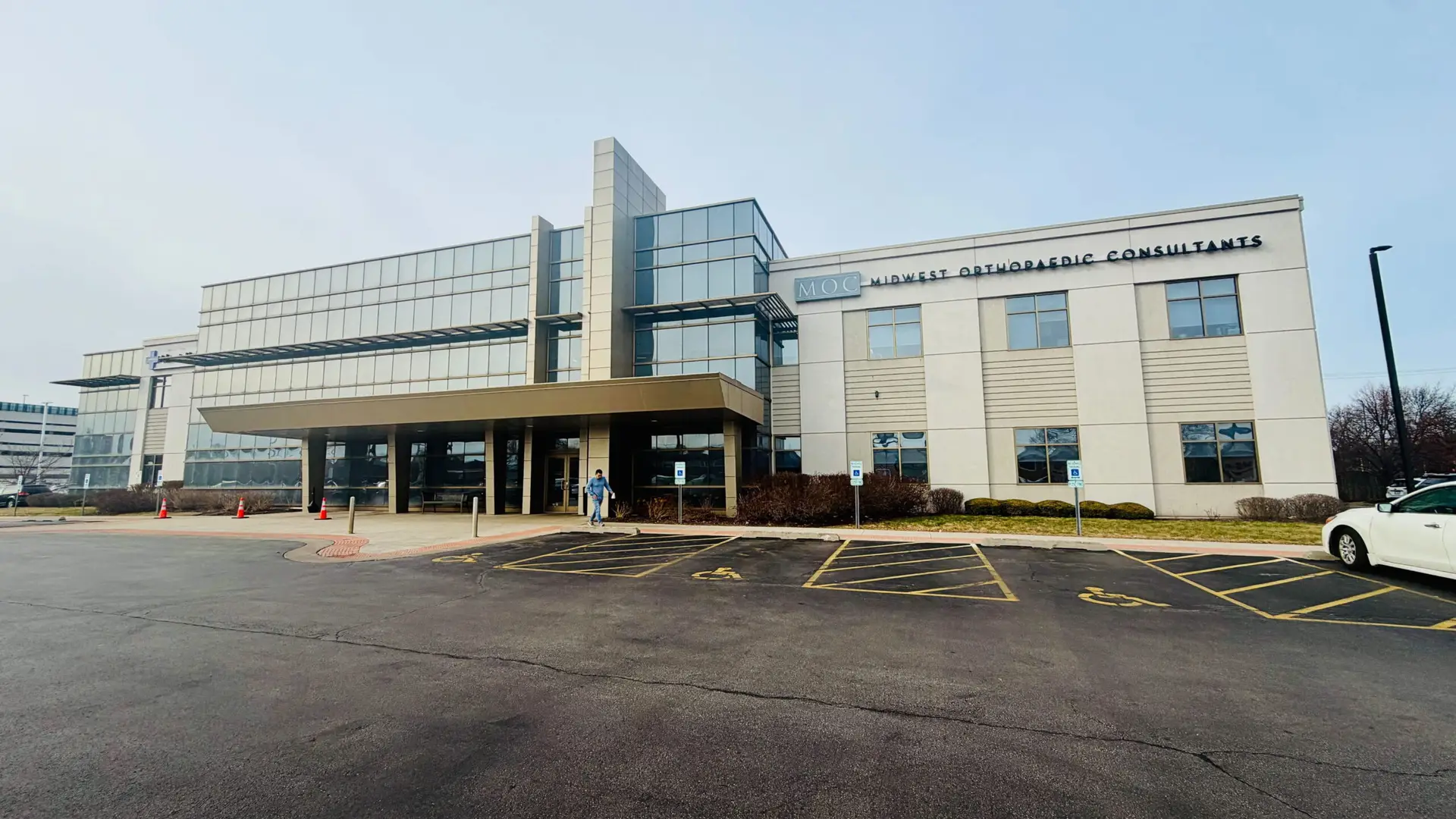
If shoulder pain is keeping you up at night or making everyday tasks hard, an evaluation will tell you what is torn, what is not, and what will help. Contact our team or call (708) 226-3300 to schedule an appointment at our Orland Park office on 160th Street or our Oak Lawn office on 95th Street.
Medical Disclaimer: This content is for general educational purposes only and is not a substitute for professional medical advice, diagnosis, or treatment. Please consult one of our physicians about your specific condition. If you are experiencing a medical emergency, call 911.
Key Takeaways
- Nonsurgical treatment relieves pain and improves function in about 80 to 85% of patients with rotator cuff tears.
- Common signs of a tear include night pain, pain when lifting the arm, and weakness when lifting or rotating it.
- A rotator cuff tear can get larger over time, so persistent shoulder pain deserves an evaluation.
- Surgery is usually considered when symptoms last 6 to 12 months, the tear is large, weakness is significant, or the tear came from an acute injury.
- Midwest Orthopaedic Consultants offers on-site MRI, physical therapy, pain management, and orthopaedic surgery in Orland Park and Oak Lawn.
Frequently Asked Questions
Can a torn rotator cuff heal without surgery?
Many rotator cuff tears improve without surgery. According to the American Academy of Orthopaedic Surgeons, nonsurgical treatment such as physical therapy, activity changes, and medication relieves pain and improves function in about 80 to 85% of patients.
How do I know if my rotator cuff is torn or just strained?
A strain usually improves steadily with rest. A tear is more likely when pain continues at night, lifting or rotating the arm is weak, or overhead reaching stays painful. A physical exam and, when needed, an MRI can confirm the diagnosis.
When should I have surgery for a rotator cuff tear?
Surgery is usually considered when nonsurgical treatment does not relieve pain, symptoms have lasted 6 to 12 months, the tear is larger than 3 cm with healthy surrounding tissue, the shoulder is significantly weak, or the tear came from a recent, acute injury.
Does Midwest Orthopaedic Consultants offer MRI on-site?
Yes. MRI is available on-site at both the Orland Park and Oak Lawn offices, so patients do not need a separate appointment at an outside imaging center.